Table of Contents
ToggleThe Difference Between Logo and Brand Identity
Imagine you’re walking into a bustling café. The aroma of freshly brewed coffee hits you, the barista greets you with a warm smile, and the cozy decor makes you feel right at home. Then, you spot the café’s logo on the menu board—a sleek, minimalist design that somehow captures the vibe of the place. That logo? It’s memorable. But the feeling you get from the entire experience? That’s the brand identity. If you’ve ever wondered why some businesses stick in your mind while others fade away, you’re about to discover the key: the difference between a logo and brand identity. Buckle up, because I’m diving deep into this topic to give you clarity, actionable insights, and a few stories to make it all click.
What Is a Logo? The Face of Your Business
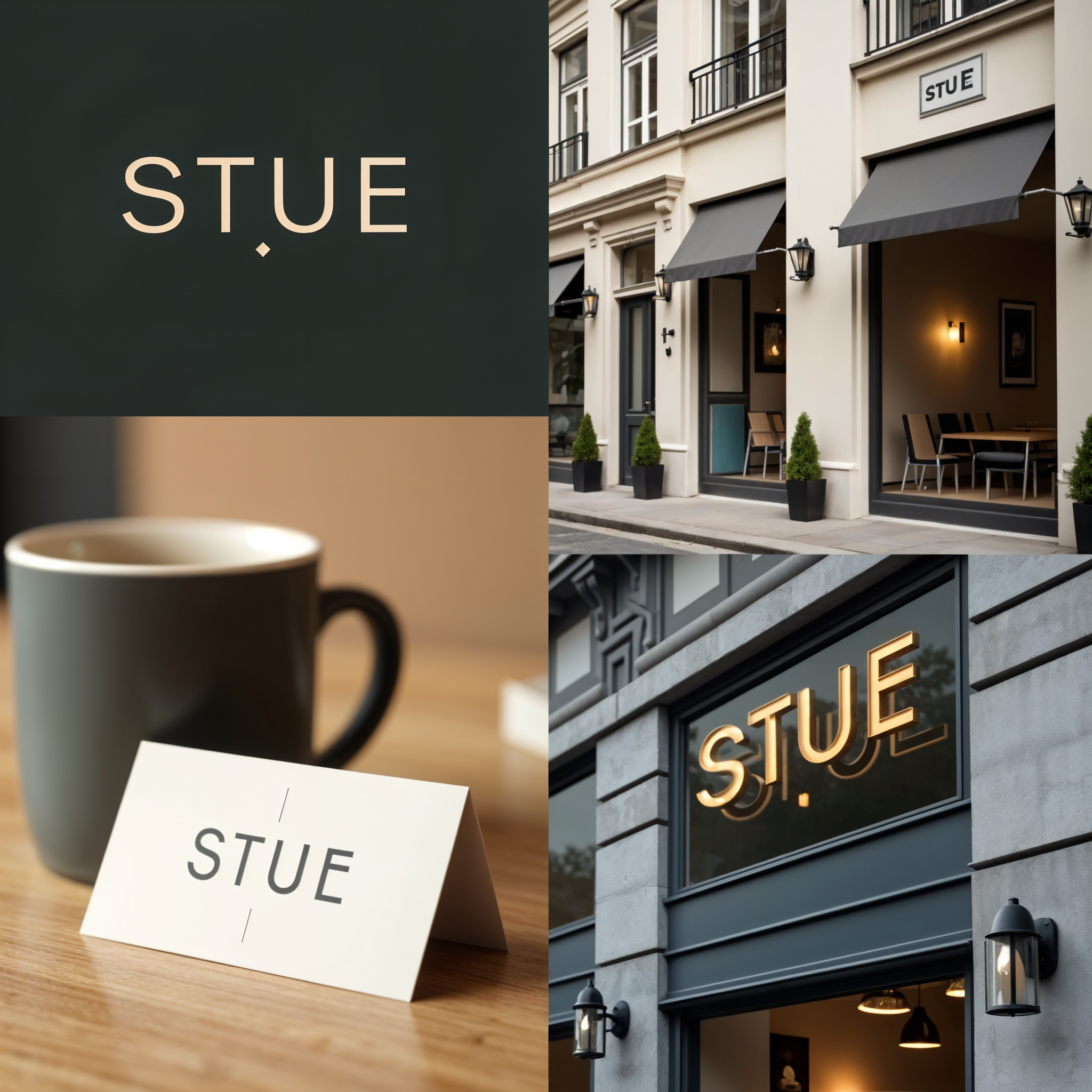
Let’s start with the logo. Think of it as the face of your brand—the visual shorthand that people recognize instantly. A logo is a graphic symbol, often paired with your business name, that represents your company in a single glance. It’s the swoosh on Nike’s shoes, the bitten apple on your iPhone, or the golden arches you spot from a mile away. A great logo is simple, memorable, and versatile, working just as well on a business card as it does on a billboard.
But here’s the catch: a logo isn’t your entire brand. It’s a piece of the puzzle, not the whole picture. I once worked with a client, Sarah, who owned a boutique bakery. She was obsessed with perfecting her logo—a whimsical cupcake with her brand name in playful script. She thought that logo would make her business unforgettable. But when customers walked into her shop, the experience didn’t match. The packaging was plain, the staff seemed disinterested, and the vibe felt generic. Sarah’s logo was stunning, but it wasn’t enough to create a lasting impression. That’s where brand identity comes in.
What Is Brand Identity? The Soul of Your Business

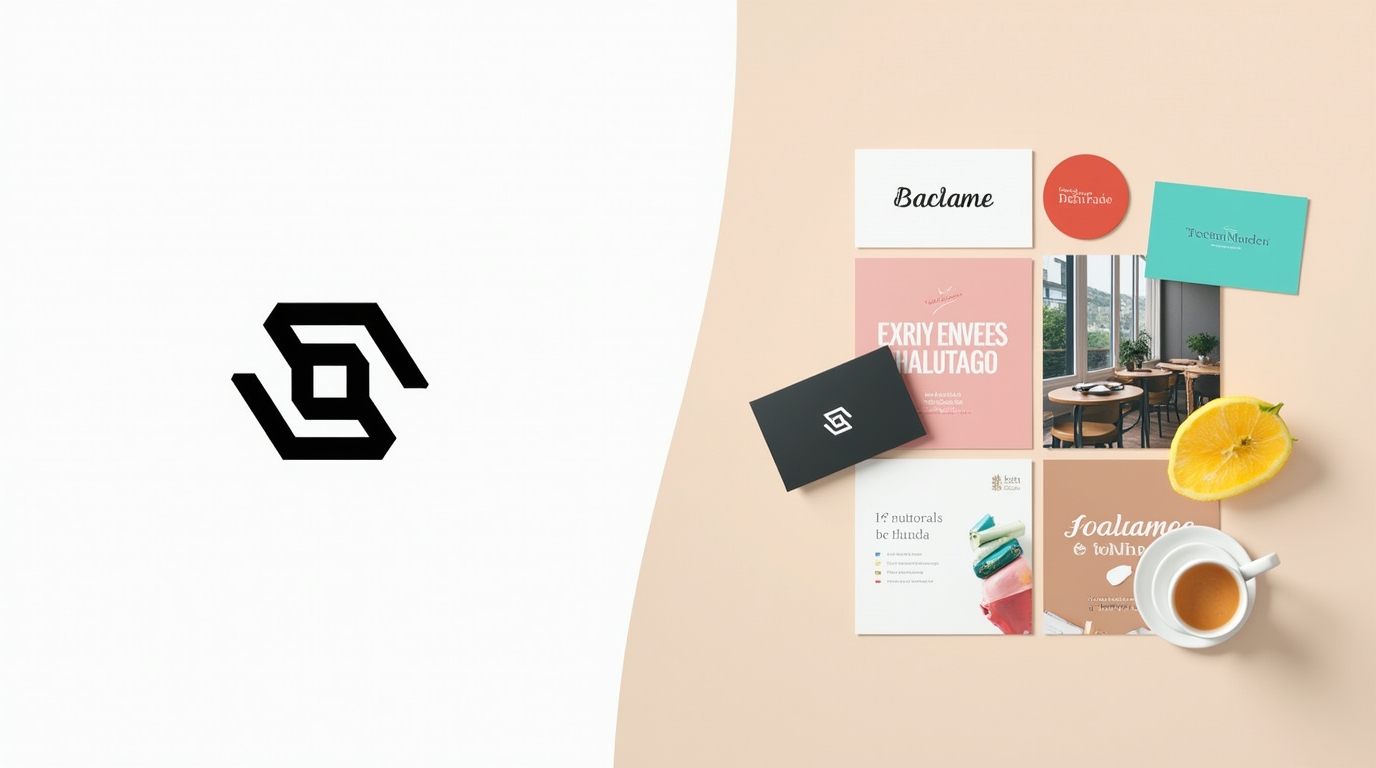
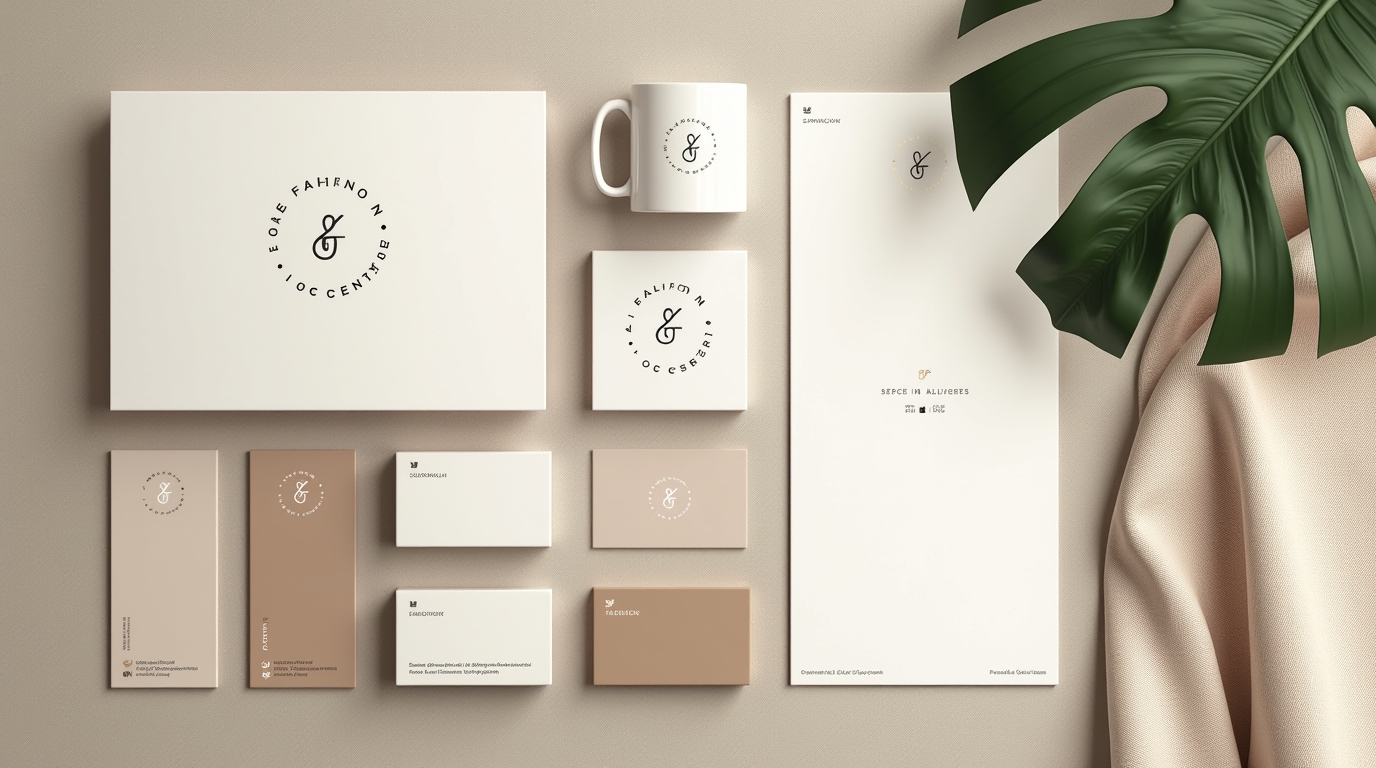
If a logo is the face, brand identity is the soul. It’s the complete package of how your business looks, feels, and communicates. Brand identity encompasses everything that shapes how people perceive you: your colors, typography, imagery, tone of voice, values, and even the emotions you evoke. It’s the story you tell and the promise you keep.
Let’s go back to that café. The logo is just the start. The brand identity includes the rustic wooden tables, the handwritten chalkboard menu, the friendly banter from the staffates a cohesive experience that makes you want to linger. Every touchpoint—your website, social media posts, packaging, and customer service—works together to create a consistent, memorable impression.
Here’s a real-world example. I worked with a tech startup that wanted to stand out in a crowded market. Their logo was sleek, but their brand identity was all over the place. Their website looked corporate, their social media was quirky, and their emails felt formal. We redefined their brand identity by creating a vibrant color palette, a bold yet approachable tone, and visuals that screamed innovation. The result? Customers started to feel their mission of making technology accessible. Their logo didn’t change, but their brand identity transformed how people connected with them.
Key Differences: Logo vs. Brand Identity
Now that you’ve got the basics, let’s break down the key differences between a logo and brand identity. Think of this as your cheat sheet to understanding where to focus your efforts.
Scope
Logo: A single visual element, like a symbol or wordmark.
Brand Identity: The entire ecosystem of visuals, messaging, and experiences that define your brand.
Purpose
Logo: Grabs attention and aids recognition. It’s the first thing people notice.
Brand Identity: Builds trust and loyalty by creating a consistent, emotional connection.
Components
Logo: Just the graphic and/or text.
Brand Identity: Includes logo, colors, fonts, imagery, tone, values, and more.
Impact
Logo: Makes you recognizable.
Brand Identity: Makes you unforgettable.
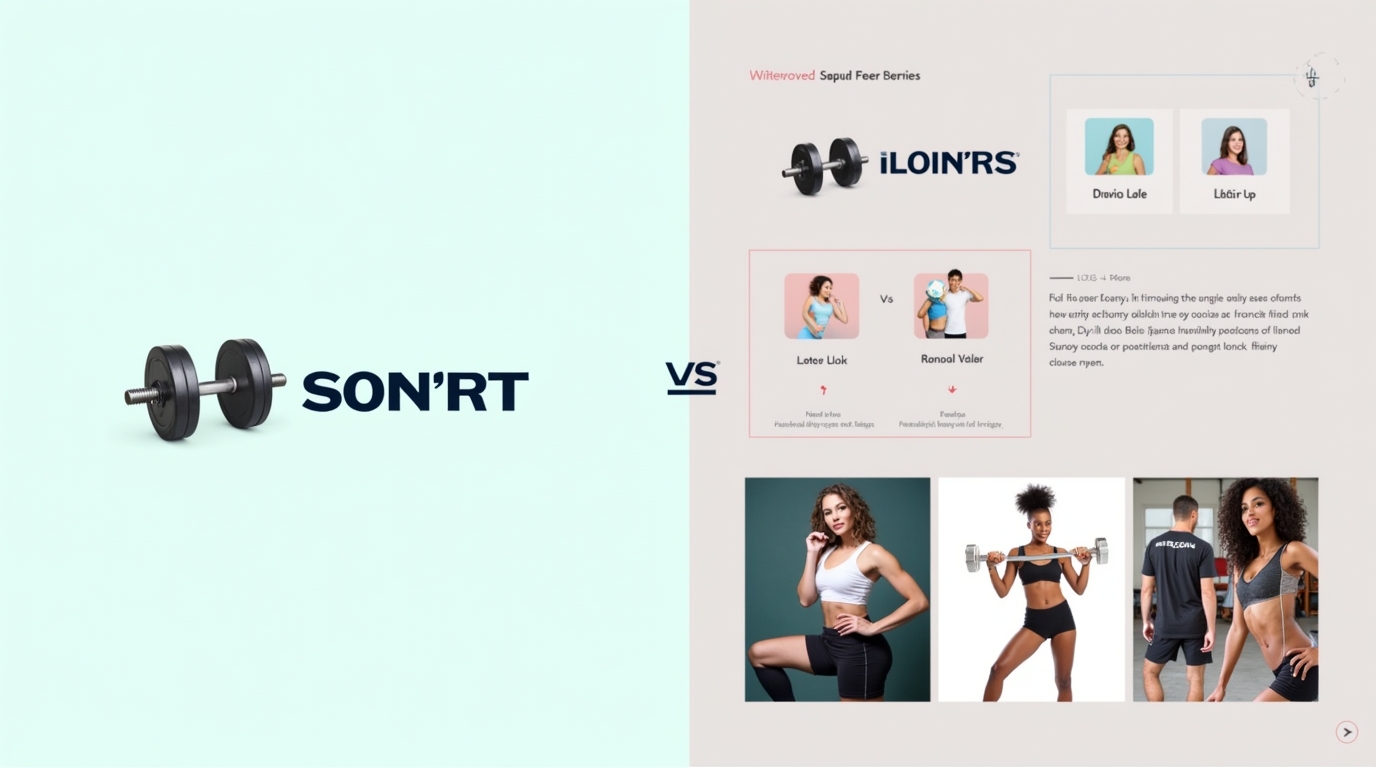
Here’s a quick story to drive this home. A client, Mark, ran a fitness studio. His logo was a bold dumbbell with his studio’s name. It was eye-catching, but his business wasn’t growing. We dug deeper and found his brand identity was inconsistent. His website screamed “hardcore gym,” but his classes were welcoming and community-focused. We revamped his brand identity to reflect inclusivity—soft colors, friendly messaging, and imagery of smiling, diverse clients. His logo stayed the same, but his bookings skyrocketed because the brand identity resonated with his audience.
Why It Matters: Building a Brand That Sticks

You might be thinking, “Okay, I get it, but why should I care?” Here’s why: a strong brand identity sets you apart in a noisy world. A logo gets you noticed, but your brand identity keeps people coming back. It’s the difference between a one-time customer and a lifelong fan.
Stand Out: In a crowded market, a cohesive brand identity makes you instantly recognizable.
Build Trust: Consistency across touchpoints shows you’re professional and reliable.
Drive Loyalty: When people connect with your brand’s values and vibe, they stick around.
Take Apple, for example. Their logo is iconic, but their brand identity—sleek design, user-friendly products, and a “think different” mindset—makes them a cultural force. Your business might not be Apple, but you can harness the same principles to create a brand that resonates.
How to Get Started: Actionable Steps for You
Ready to level up your brand? Here’s how to approach your logo and brand identity like a pro:
Audit Your Current Brand: Look at your logo, website, social media, and customer interactions. Do they feel cohesive? If not, it’s time for a refresh.
Define Your Values: What do you stand for? Your brand identity should reflect your mission and resonate with your audience.
Invest in Design: Work with a professional to create a logo and brand identity that align with your vision. A DIY approach might save money upfront but can cost you in credibility.
Stay Consistent: Use your brand guidelines (colors, fonts, tone) across every touchpoint to build recognition and trust.
Evolve as Needed: Your brand identity isn’t set in stone. As your business grows, revisit it to ensure it still fits.
I recently helped a client, Emma, who ran a sustainable fashion brand. Her logo was fine, but her brand identity was a mess—clashing colors, generic fonts, and no clear voice. We crafted a brand identity that screamed eco-conscious elegance: earthy tones, clean typography, and a warm, inspiring tone. Her sales doubled within six months because customers finally got what she was about.
Your Next Step: Let’s Create Something Unforgettable
You now know the difference between a logo and brand identity—and why both matter. A logo grabs attention, but your brand identity tells your story, builds trust, and creates loyal fans. Whether you’re a startup, a small business, or a growing brand, investing in a cohesive brand identity is the key to standing out and staying top-of-mind.
Ready to transform your brand into something unforgettable? I specialize in crafting logos and brand identities that capture your essence and connect with your audience. Let’s work together to bring your vision to life. Check out my branding services here and let’s create something extraordinary.