
In the highly competitive realm of graphic design, setting yourself apart and commanding a high income requires far more than mere technical skills and creativity. It demands strategic positioning within the market, a deep understanding of industry dynamics, and an unwavering commitment to both personal and professional growth. This guide offers a thorough exploration of seven crucial steps designed to catapult you not only to the status of a skilled designer but to that of a high-earning graphic design expert.
Whether you are just embarking on your career or seeking to elevate your current professional trajectory, these steps provide the foundation necessary for achieving enduring success and notable recognition in the graphic design field. The journey begins with identifying and refining your unique value proposition—understanding what sets you apart in terms of style, expertise, and the specific needs you can meet. From there, it involves continuous learning to stay abreast of the latest technologies, trends, and design methodologies.
Moreover, mastering the art of networking to build valuable industry connections, developing a robust portfolio that showcases your best work, and effectively marketing yourself to attract and retain high-value clients are all integral to this process. The guide also emphasizes the importance of cultivating a professional brand that resonates with your target audience and consistently delivering exceptional results that exceed client expectations.
By following these comprehensive steps, you position yourself not just as a participant in the field of graphic design, but as a leading figure capable of influencing trends and commanding a premium for your services. This proactive and strategic approach is essential for anyone aiming to achieve lasting success and make a significant impact in the graphic design industry.
Table of Contents
Toggle1. Discover Your Niche: Specialize to Stand Out

Specializing in a specific area of graphic design not only sharpens your skills but also elevates your profile among a targeted client base. To pinpoint the right niche, align your personal interests with areas where there is a strong market need. Start by exploring current and forward-looking trends within the graphic design industry, such as interactive web design, motion graphics, or eco-conscious packaging. Understanding these trends can help you spot opportunities that are not only profitable but also resonate with your creative passion.
Conduct a thorough market analysis to determine which sectors are thriving and what specific design services they are actively seeking. For instance, a surge in technology startups could create a demand for digital branding, UI/UX design, and multimedia presentations. Alternatively, a growing emphasis on corporate social responsibility might increase the need for designers skilled in creating visually appealing sustainability reports.
As you develop your expertise, keep in mind that your chosen niche isn’t set in stone. The design industry is dynamic, with evolving trends and technologies that might prompt a shift in your focus. Staying adaptable and continuously educating yourself on new design methodologies and tools will allow you to grow with the market and adjust your specialization as needed, ensuring long-term relevance and success in the field.
2. Master the Tools of the Trade: Essential Software Skills

Beyond mastering the essential software such as Adobe Creative Cloud, it’s beneficial to acquaint yourself with additional tools that enhance your capabilities within your chosen niche. For example, if web design piques your interest, acquiring proficiency in HTML, CSS, and JavaScript is essential. These languages are the backbone of web development, allowing you to create and manage visually appealing, functional websites.
For those drawn to motion graphics, learning sophisticated software like Cinema 4D or Autodesk Maya is imperative. These programs provide the robust capabilities needed to produce high-quality animations and visual effects that can set your work apart in a competitive market.
As you broaden your technical repertoire, consider obtaining certifications for these tools. Many software providers offer official certification programs, which serve as a formal validation of your skills. Achieving certification not only enhances your resume but also boosts your credibility with prospective employers and clients, signaling that you are skilled and up-to-date with industry standards.
Additionally, actively applying these tools in personal projects or freelance opportunities is crucial. This hands-on experience allows you to refine your skills and resolve real-world design challenges. Moreover, each project you undertake adds a unique piece to your portfolio, showcasing your breadth of ability and creativity. Engaging in diverse design projects not only sharpens your skills but also demonstrates your versatility and commitment to your craft to potential clients or employers.
3. Build a Portfolio That Sells: Showcase Your Best Work
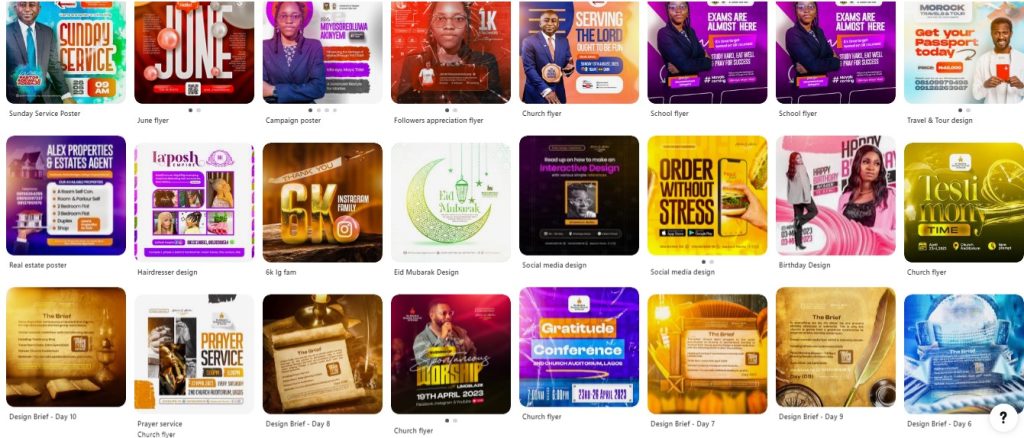
Your portfolio is a critical component of your professional identity, serving not just as a showcase of your technical prowess but also as a testament to your capacity to tackle complex problems. It should include detailed case studies that demonstrate how your design solutions have effectively addressed client needs and led to measurable improvements in engagement or sales. Each case study should meticulously detail the challenge faced, the strategic approach you employed, and the positive results achieved, underpinned by concrete statistics that underscore the impact of your work.
Ensure that your portfolio is both accessible and user-friendly. It should feature high-resolution images that accurately reflect the quality of your work and be optimized with a responsive design to ensure it looks great on a variety of devices, from desktops to smartphones. This attention to detail helps potential clients or employers easily view and assess your work, regardless of how they access your site.
It’s also vital to keep your portfolio up-to-date. Regular reviews allow you to curate your displayed works, phasing out older projects that may no longer represent the pinnacle of your capabilities. Replace them with fresher, more relevant examples that not only showcase your latest skills and techniques but also align more closely with the industries or types of projects you aim to attract. This process of refinement ensures that your portfolio remains dynamic and reflective of your current professional focus and highest level of craftsmanship.
4. Network Like a Pro: Connections That Count

Networking is more than a mere collection of contacts; it’s about cultivating enduring relationships that offer reciprocal advantages. When participating in networking events, aim to do more than just swap business cards. Instead, immerse yourself in meaningful dialogues. Discuss common challenges, exchange ideas, and explore trends within the industry. This level of engagement demonstrates your interest and expertise, making you memorable to those you connect with.
Extend your networking efforts to the digital realm as well. Actively participate in webinars and live streams relevant to your field. These platforms offer a direct line to thought leaders and provide opportunities for real-time interaction. Ask insightful questions and contribute valuable perspectives during these sessions, which can raise your profile among professionals and potentially open doors to new opportunities.
Additionally, involve yourself in design competitions and collaborative group projects. These initiatives challenge your creative and technical skills while simultaneously showcasing your talent in forums frequented by industry leaders and potential mentors. Success in these arenas can significantly enhance your reputation and visibility, offering a direct path to career advancement. Through these strategic networking practices, you position yourself not just as a participant in your field, but as a proactive, engaged professional poised for growth and success.
5. Stay Updated: Embrace Continuous Learning

To ensure that your skills remain cutting-edge and your industry knowledge stays up-to-date, it’s crucial to commit to a structured learning routine that aligns with your daily life. Establish a schedule that dedicates specific times for study and practice, and adhere to it diligently. This consistency is key in fostering skill development and deepening your understanding of graphic design.
Actively seek out and enroll in annual workshops or classes that delve into emerging technologies or new methodologies within the graphic design landscape. These educational opportunities can provide you with fresh perspectives and techniques that may be critical to staying relevant in a fast-evolving field.
Beyond formal education, engage with the design community at large. Follow influential design blogs, subscribe to leading design magazines, and become an active member of professional groups. These resources are invaluable for staying connected with the latest trends, debates, and breakthroughs in design.
Additionally, consider sharing your knowledge by teaching a course or leading a workshop. Educating others is a powerful way to consolidate your own knowledge and skills. Teaching forces you to break down complex subjects into teachable moments, which can clarify your understanding and highlight areas for your own improvement. Moreover, taking on a mentorship role positions you as an authority in your niche, enhancing your professional credibility and visibility.
This ongoing process of learning and teaching not only sharpens your skills but also keeps you continually inspired and creatively vibrant. It’s an investment in your career that pays dividends by keeping you intellectually stimulated and professionally relevant.
6. Market Yourself: Strategies for Visibility and Growth

Developing a robust marketing plan is essential for establishing and expanding your professional presence as a graphic designer. Start by defining your brand’s unique identity and understanding the specific characteristics of your ideal clients. This clarity will guide the development of targeted marketing strategies tailored to engage and attract these ideal customers.
Incorporate tools like Google Analytics into your marketing activities to measure the effectiveness of your strategies in real-time. This data is invaluable as it allows you to see what’s working and what isn’t, enabling you to make informed adjustments to your campaigns. Tracking visitor behavior, conversion rates, and engagement levels can provide insights into how to refine your approach for better results.
Leverage various digital marketing tactics to increase your visibility. Social media ads can reach a broad audience quickly and can be tailored to appear to your ideal client demographic. Search Engine Optimization (SEO) will enhance your visibility in search engine results, making it easier for potential clients to find your services. Email marketing remains one of the most effective methods for direct engagement, allowing you to send targeted messages directly to interested parties and keep them informed about your services and new offerings.
It’s also crucial to keep your content fresh and engaging. Regularly update your portfolio, blog posts, and social media content to reflect your current projects and insights. Engage actively with your online community by initiating conversations, asking questions, and sharing valuable insights. Participate in relevant discussions, both to increase your visibility and to position yourself as an expert in your field.
Your marketing efforts should aim to present a consistent and professional image that accurately reflects your identity and showcases your expertise. This consistency helps build trust with your audience, reinforcing your reputation as a skilled and reliable graphic designer. By diligently implementing and refining your marketing strategy, you can effectively grow your client base and enhance your professional standing in the design community.
7. Cultivate Client Relationships: Turning Satisfaction into Loyalty

Effective client management transcends the basics of meeting deadlines and producing high-quality work; it involves crafting a client experience that is so positive it makes them choose you over your competitors repeatedly. This requires a proactive, thoughtful approach to all interactions.
Start by being proactive in your communications. Stay one step ahead by anticipating your clients’ needs and addressing potential issues before they arise. This might involve checking in periodically with updates before the client has to ask or suggesting new ideas that align with their business objectives. Such attentiveness demonstrates your commitment to their success and can set you apart from others.
Tailoring your communication style to match each client’s preferences is another crucial element. Some clients might prefer succinct emails that get straight to the point, while others may value the opportunity for more detailed discussions during regular in-person meetings or video calls. Adapting to these preferences shows respect for their time and work style, enhancing the overall working relationship.
After a project is completed, continue to foster a strong relationship by sending a thank you note or a small token of appreciation, such as a personalized gift or a discount on future services. This gesture of gratitude helps cement a positive impression and shows your clients that you value their business beyond the financial transaction.
These personal touches not only make clients feel valued but also significantly increase the likelihood of repeat business and referrals. By going beyond the expected and making each client interaction memorable and personalized, you establish yourself as not just a service provider but as a valued partner in their business endeavors.
Final Thoughts: Your Path to Graphic Design Success
Achieving success as a high-earning graphic designer is indeed a multifaceted journey that demands continuous learning, constant adaptation, and proactive management of your career. By meticulously adhering to a well-defined set of steps, you can significantly enhance your capabilities and position yourself as a leader in the competitive field of graphic design. This approach not only helps you meet the ever-evolving demands of the market but also allows you to excel within it, earning the respect of your peers and securing the loyalty of your clients.
Always remember that in graphic design, your career is perpetually in motion. It’s a dynamic field where new skills are always necessary, the latest trends are waiting to be adopted, and fresh relationships are ready to be forged. Each day presents an opportunity to expand your knowledge, refine your abilities, and grow your professional network. Whether it’s learning a new software tool, exploring a groundbreaking design technique, or networking with fellow designers, every step you take is an investment in your future.
Start today by setting clear goals for your career and mapping out a strategy to achieve them. Identify the skills you need to develop, the trends you should be aware of, and the types of clients you want to attract. By doing so, you can build a career that is not only financially rewarding but also deeply fulfilling. Embrace the journey of becoming a high-earning graphic designer with enthusiasm and dedication, and watch as each thoughtful step forward makes a significant impact on your professional life and personal satisfaction.
Frequently Asked Questions
How long does it take to become proficient in graphic design?
Proficiency in graphic design depends on your starting skill level, the intensity of your learning process, and how much practice you put in. Typically, with dedicated study and practice, substantial skill development can be seen within a few months to a year.
Can I be a successful graphic designer without a formal degree?
Yes, many successful graphic designers do not have formal degrees. Essential skills can be acquired through online courses, tutorials, and a lot of practice. What matters most is your portfolio and your ability to market your skills.
What is the best way to find new clients as a graphic designer?
Networking, maintaining an impressive online presence, and referrals from satisfied clients are effective strategies. Additionally, freelancing platforms can provide a steady stream of clients while you build your reputation.
How often should I update my portfolio?
It's wise to update your portfolio whenever you complete a project that adds new skills or depth to your work. Aim for at least once every six months to keep it current and reflective of your growing capabilities.